
Clara Kasambira (32), a smallholder farmer from the Jinga Village cluster, has experienced remarkable changes in her farming. The Holistic Land and Livestock Management (HLLM) approach introduced by the Towards Sustainable Use of Resources Organisation (TSURO) Trust, a partner member of PELUM Zimbabwe. Clara joined TSURO Trust in 2020 and has been actively participating in HLLM activities for over 5 years, during which she has witnessed significant improvements in both her farming practices and the condition of her land.
The introduction of the Holistic Land and Livestock Management (HLLM) approach has transformed land management practices in Clara’s community, leading to noticeable improvements in soil health and overall environmental conditions.
Previously, Clara had limited knowledge of planned grazing, and her livestock moved freely without structured herding, which contributed to land degradation, bare soils, and excessive water runoff during the rainy season. However, with the adoption of improved grazing practices, the land is gradually recovering, with vegetation returning and grazing areas becoming more productive. The area is no longer overexposed, and water is now better absorbed and retained in the soil. She notes that these changes have significantly enhanced environmental conditions, contributing to healthier soils and more sustainable land use in the community.
“Wayback, our grazing areas were overused and severely depleted, with very little vegetation cover to support our livestock. Soil erosion was widespread, and during the rainy season, most of the water would run off instead of being absorbed, leaving the land dry and unproductive. Now, we are seeing a remarkable change. Vegetation cover has improved, and grazing areas are recovering and becoming more productive. This system has significantly reduced soil erosion and improved water retention, as the land is now well protected and able to absorb and hold moisture, even during the rainy season. As a result, our pastures are healthier, our livestock have better feed, and our land is gradually being restored,” she says.
In Jinga Village, farmers are witnessing positive changes. Clara shares that by managing livestock in a coordinated way, communities are experiencing lasting environmental improvements while working together to care for their land more sustainably.
“Through planned grazing, we are now seeing our rangelands recover. Grass is growing again, and our grazing areas are becoming more balanced and productive. This is also helping us cope better with drought, as the land can now support our livestock for a longer period of time providing adequate food for our livestock,” she says.
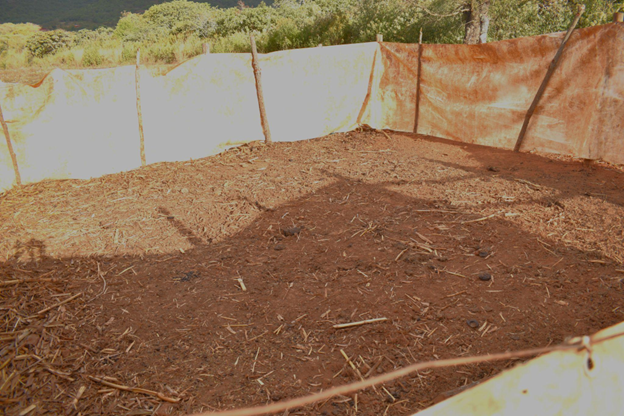
Clara and other farmers in her community are now practicing collective herding and using livestock to restore soil fertility through a method known as crop field impaction. The approach is strengthening the link between livestock management and environmental recovery, with farmers reporting gradual improvements in soil health, moisture retention, and overall land productivity. Through coordinated efforts, communities are restoring degraded soils while reducing reliance on synthetic inputs and embracing more sustainable farming practices.
“We have realised that proper livestock management is directly connected to landscape healing. When animals are well managed, they do not destroy the land, they help restore it. Crop field impaction has really transformed our soil. Having animals in the fields helps improve aeration, and their manure adds nutrients to the soil. This means our soil can hold more moisture, which is especially important for our crops. As a result, we no longer rely heavily on synthetic fertilisers, but instead use more natural farming methods,” she says.
Tinashe Jinga (38), the Village Head of Jinga Village echoes Clara’s experiences and points out the visible benefits of the Holistic Land and Livestock Management approach.
“HLLM has genuinely benefited our community by improving soil fertility and enhancing the livelihoods of our members. By practicing crop field impaction, we are not just treating the soil, we are seeing improved crop yields, which leads to better benefit. This empowers us to invest in our families and work towards a more secure future. Some of us are even selling grains and livestock, which fosters economic resilience,” he shares.
Julian Makuwa (42), a field officer from the Department of Veterinary Services, shares that the HLLM program has changed the way of living for farmers and the whole community.
“These changes have brought positive impact in the community. By keeping livestock in designated areas, we have significantly reduced accidents and the likelihood of diseases. This program has made it easier for the herds and for everyone to monitor their health and treat any illnesses, which ultimately contributes to the wellbeing of our animals,” she says.


